


Pharmacy Check-in: Danica Massey
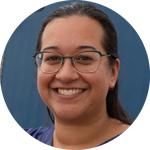
Danica Massey, BSc Pharm, RPh (she/her)
Senior Pharmacist, Global Mercy, Mercy Ships
Freetown, Sierra Leone
Danica Massey is a hospital-trained pharmacist from British Columbia who now serves as Senior Pharmacist on board the Global Mercy, one of two hospital ships operated by Mercy Ships. After hearing about the organization early in her career, she took a leap and joined on a short-term placement in 2020—just before the pandemic. That brief experience left a lasting impression, and she eventually returned in 2024 for a two-year term.
Danica’s role is incredibly dynamic. She manages inventory for a multi-national formulary, supports clinical care across seven surgical specialties and helps train incoming volunteer pharmacists. From providing medications to patients undergoing surgery to caring for palliative patients in the community, Danica plays a central part in ensuring that compassionate, safe and effective pharmacy services are available on board. She describes the experience as challenging, unique and deeply fulfilling.
Q&A with Danica
We caught up with Danica to learn more about life as a pharmacist aboard a hospital ship, the unique challenges of global pharmacy logistics and why this experience has been one of the most meaningful of her career.
How did you end up serving with Mercy Ships, and what drew you to return for a longer term?
I first heard about Mercy Ships in 2019 from a relative. It sounded like a very interesting experience to serve as a volunteer pharmacist on a ship in Africa and I started looking into it, as I was looking for a change from my current job. I ended up being offered a 3-month position when the ship was in Senegal in 2020. Unfortunately, I was only there for a few weeks before the COVID-19 pandemic hit and we had to shut down and return home. Even though it was short, this experience left a lasting impression on me. I finally had the opportunity to return to Mercy Ships in 2023 where I served for 2.5 months in Sierra Leone. While there I was offered the position to come back long-term as the senior pharmacist. I had found the whole experience very fulfilling as it involved working in a disciplinary team of people who have a common goal, volunteering their time to treat and care for patients who would not otherwise have access to surgeries. I believed in the mission and core values of Mercy Ships and also enjoyed the community life onboard. I decided to accept the offer of senior pharmacist and quit my job at BC Cancer to return in July 2024 to serve on the ship for 2 years in Sierra Leone.
What does your typical day on board look like?
The pharmacy supports patients throughout their whole hospital journey from pre-op until discharge. Our mornings involve attending ward rounds with the surgeons, hospital physicians and charge nurses. We assess each post-op patient at their bedside to review their clinical status, medications and discharge plan. We do not have electronic charting, so our pharmacists review each chart to identify any drug therapy problems. We also stock the Omnicell medication dispensing cabinets every morning throughout the hospital and operating rooms. The rest of our day involves filling prescriptions for pre-op patients who have not yet been admitted to the hospital. They are assessed in the months and days leading up to their surgery and may need treatment for malaria or other infections to ensure they are healthy prior to surgery. For patients who are getting thyroid surgery, we spend months optimizing medication to get them euthyroid before their surgery date. After patients are discharged, they have follow-up appointments in the outpatient department, and those charts are sent to pharmacy as well to fill prescription medications before they have their final discharge from our care.
The crew onboard the Global Mercy consists of about 400 people, including children and families. We also have about 200 day crew (locals who are employed for shifts during the day but do not live onboard). We have a crew clinic onboard to support the crew and day crew for their own health needs. This keeps the pharmacy busy as well as we will fill prescription drugs or offer over-the-counter medications or vitamins to the volunteers.
As the senior pharmacist I have additional responsibilities, such as training new pharmacists and pharmacy technicians who come every 2-3 months. I manage the inventory onboard, tracking usage and requesting orders when we are running low. I also attend patient and hospital review board meetings, to meet with the multidisciplinary leadership to discuss complex patient cases and review complications and medical incidents that have happened across each surgical specialty.
What are some of the unique challenges of managing a pharmacy on a ship?
Supply chain concerns are one of the biggest challenges. We have medication suppliers from the US and the Netherlands and it can take months for medications to be sent to the ship. We have a formulary that we follow, which is quite extensive but may not encompass all medications that we would normally have back home. We try to anticipate the needs of a full 10-month mission and will have most of the medications brought onboard at the beginning of a field service, however we have many container or air shipments sent throughout the year as well.
We have health-care volunteers who serve from all over the world, which means everyone comes with different prescribing practices and guidelines. Sometimes this means one surgeon or physician will use a specific medication for every patient, when previously it was rarely used. This causes us to run out very quickly and it can take a long time to replace the stock and keep up with the demand. It is one of the common challenges with managing inventory.
Importing controlled medications is a very complicated process as it requires import and export permits. I often have to travel to the Pharmacy Board of Sierra Leone to discuss the permits with the government staff and to prepare and sign the required permits. We also have partnerships with local pharmacies and other in-country NGOs as a source to purchase or receive donations of medications in case of urgent shortages. We have also donated to other NGOs when they have a need, so it is great to have this relationship.
Another unique challenge is that many patients do not speak English. We have our day crew, who speak the local languages, translate for us. We also use pictogram labels to indicate medication instructions for patients who cannot read English.
What do you love most about this work?
I love the collaborative approach to care and working on a multidisciplinary team. I have formed close working relationships with leadership in other departments. We have a small team of 4 in the pharmacy and I enjoy the teamwork and friendships that are formed within our department.
I get the opportunity to witness the bravery of patients undergoing life-changing surgeries. Some have travelled for days to reach the ship and have lived with extreme deformities for many years. They come onboard a foreign ship and put their trust in people who have come from far away, not speaking the same language as them. It is incredible to witness the transformation in their lives and to see how thankful they are for the care that is provided to them.
I also enjoy being part of the palliative care team which is designed to support people who initially saw Mercy Ships to be assessed for surgery but were unfortunately not eligible for treatment from us, often because they have a malignancy. Our nurses will visit them at their homes and provide supportive medical care, spiritual care, and sometimes financial assistance for the patients and their families as they approach end-of-life. The nurses meet regularly with the pharmacist and a physician to provide updates in the patients’ health and symptom management, and we provide medications for them for comfort care. Even though most of the work I do is behind the scenes, I have had the opportunity to join the nurses to visit the patients in their homes. It was an incredible experience to meet them personally and see what their lives are like at home. Every patient I visited greeted me so warmly and was amazed that I would come personally to see them. They are so grateful for the compassionate care that is provided to them, and it is an honour to be a part of it.
Why is it essential to have pharmacists as part of the Mercy Ships team?
Pharmacists are critical in providing safe medical care for a number of reasons. Sometimes the infections or complications that we encounter are not what many health-care professionals are used to seeing in their home country. The expertise that a pharmacist can offer is unique and sometimes requires creative thinking. When turnover of volunteer crew in every department is very frequent, it is often a relief for many health-care professionals when they have the ability to call or page the pharmacist to ask them questions.
Because we have a limited formulary of medications, many short-term providers are not familiar with what is available for them to prescribe, and they rely on the pharmacist’s recommendations. Without an electronic charting system, pharmacists catch many transcribing errors and help to keep the orders very clear in the chart. For example, drugs have different brand names in different countries or medical abbreviations can differ, and when these are written in the chart it can cause confusion and result in administration errors. This is one of the things that our pharmacists check regularly.
What has been most meaningful about this experience for you?
I have loved seeing the direct impact of my work on the lives of the patients who wouldn’t have otherwise had access to care. It helps to stay motivated after a hard day because you know that the work you are doing is unique and impactful.
I have also learned so much about different cultures. Over our last field service, we had crew volunteers from across 72 different countries working in many different departments. It is especially interesting for me to hear what pharmacy is like in different countries and learn what is similar and different to Canada regarding education and medical practices.
I have worked in hospital pharmacy back home and noticed that there is sometimes animosity between different departments. This is something I have rarely seen working with Mercy Ships. I hope that the compassionate and quality care that is being provided by my team of pharmacists is not only affecting the lives of the patients, but also the fellow crew. I hope that the nurses, surgeons and physicians that we work closely with onboard the ship will remember this experience and will have a greater appreciation for the working relationship with pharmacists when they return to their jobs at home.